
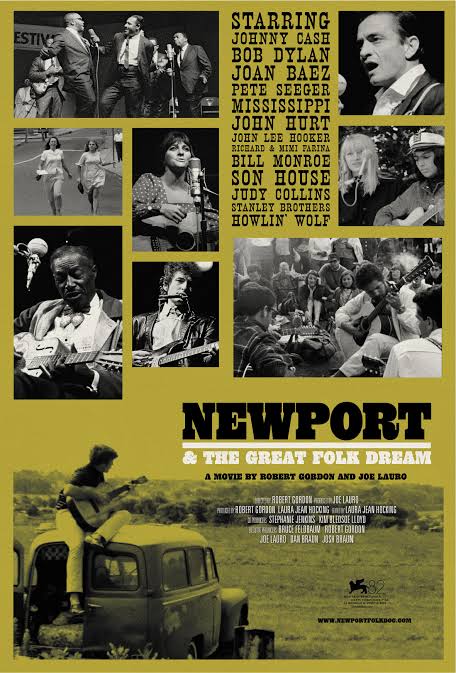
In the latest episode of the Dylan Revisited podcast, I speak to filmmakers Robert Gordon and Joe Lauro about their new film, Newport and the Great Folk Dream.
This brilliant music documentary revisits the Newport Folk Festival at the height of its cultural importance and controversy. From 1963-66, the festivals brought together young talent from the folk scene’s urban centres of Greenwich Village and Cambridge, Massachusetts, and older artists from rural America’s mountains, swamps and dustbowls.
The results were captured by director Murray Lerner, whose 1967 film Festival is a compelling pastiche mood piece that has remained the definitive document of those early Newport festivals.
But now Gordon and Lauro have delivered a fresh look at the subject using the dozens of hours of Lerner’s footage that had been locked in his archive for nearly 60 years.
On the podcast, the pair tell me how they got access to Lerner’s extraordinary unused footage, what approach they took to retelling the story and how they decided which performances to include.
Listen on Apple Podcasts
Listen on Spotify
Naturally, Bob Dylan is a huge part of the Newport story, one that Lerner had previously told in the Dylan-dedicated The Other Side of the Mirror. Gordon and Lauro uncovered new perspectives on the well-worn footage of Dylan going electric but also discuss having to resist the pull of focusing too much on that familiar story.
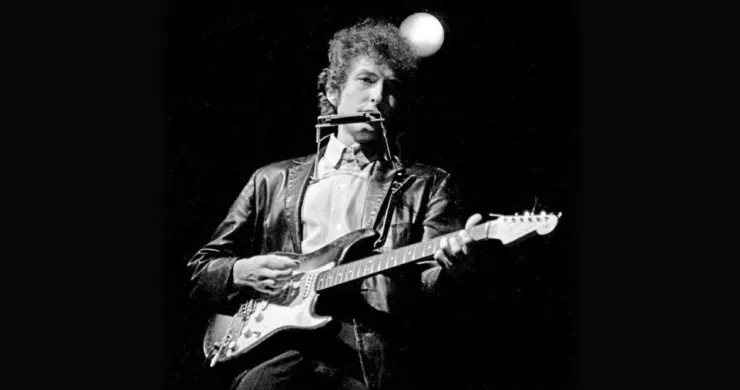
Instead, Newport and the Great Folk Dream tells the wider Newport story featuring superb performances from people like John Lee Hooker, Dave Van Ronk, Johnny Cash, Joan Baez and more stars of the early 60s folk scene.
But, as with Lerner’s Festival, the real joy is in the lesser-known acts, who play banjos, chop wood, bang tables and make all kinds of weird and wonderful noises. Or seeing Howlin’ Wolf jump into the crowd and dance like a maniac.
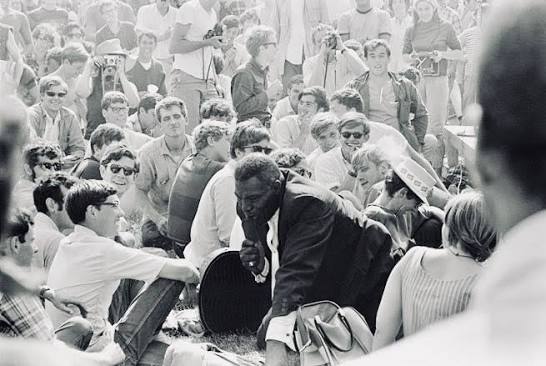
Gordon and Lauro also discuss how they documented the stories that happened away from the main festival site. Baez and The Freedom Singers led a protest march into Newport town, which Lauro calls “a test march” for the March on Washington that would happen a month later in August 1963.
Then there’s the “Blues House” – the afterparty sessions that took place in the dorms where many of the musicians stayed. After the day’s official concerts had ended, the performers sat up all night trading songs.
These informal sets were only captured on audio and it’s fascinating to hear the filmmakers on the challenges of piecing together one of the most compelling scenes in Newport and the Great Folk Dream.
To hear my complete conversation with Robert Gordon and Joe Lauro, listen to the latest episode of the Dylan Revisited podcast.
Listen on Apple Podcasts
Listen on Spotify
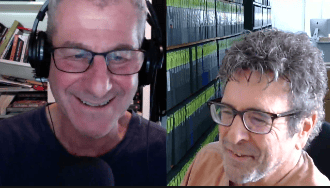
If you’re near London, you can catch the UK premiere of Newport and the Great Folk Dream at the BFI IMAX on Thursday, October 29th 2026.
After the screening, I’m hosting a Q&A with legendary music producer Joe Boyd, who worked at Newport during the 1965 festival, doing the sound for Dylan’s electric set among others. He was also interviewed for the film, so it’ll be great to hear from him.
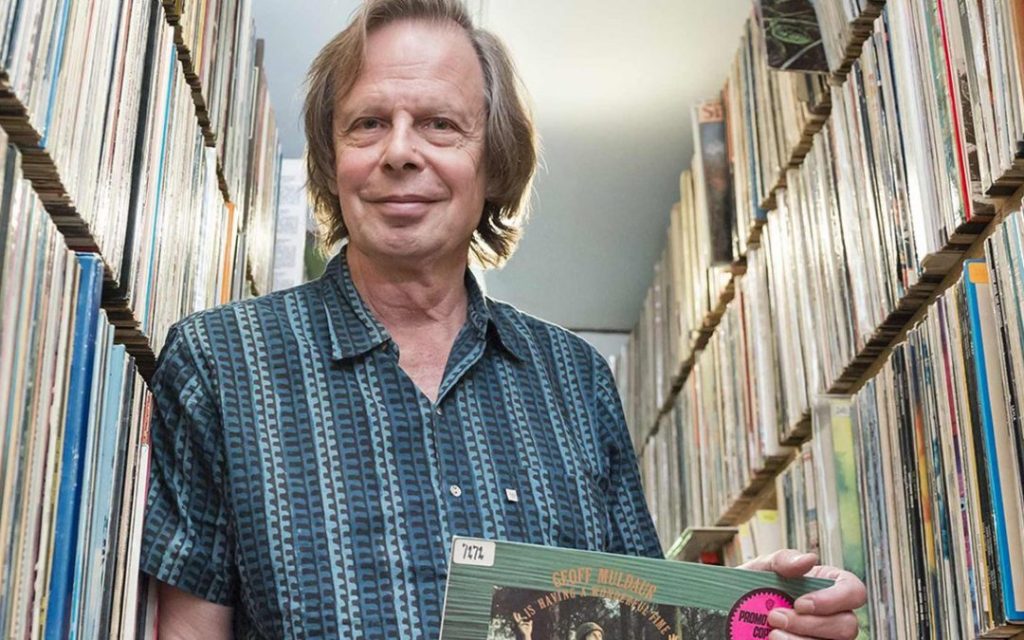
Tickets for the UK Premiere of Newport and the Great Folk Dream are available here.
The screening is part of this year’s Doc’n’Roll Festival, a two-week long celebration of music documentaries.
Check out the rest of Doc’n’Roll festival programme here, including great films about Patrick Wolf, Malian duo Amadou & Mariam, Jason Molina, the Brighton punk scene, Keith Jarrett, Peter Frampton and loads more.


Leave a Reply