
Every year on May 24th, people of Roma descent travel to the south of France from all over Europe to celebrate the feast of Saint Sarah. That day also happens to be Bob Dylan’s birthday and his decision to join the festivities would influence the sound and style of his 17th studio album, Desire.
Dylan had gone to France to visit the artist, David Oppenheimer, who at one point had been commissioned to create the cover for Blood on the Tracks. Though that didn’t happen, one of the Frenchman’s lithographs was included on the back sleeve of the record.
While Sara Dylan was initially going to accompany her husband on his trip, she changed her mind, leaving Bob flying en seul for two months. Oppenheimer recalled a man who both dutifully telephoned his wife every day while misbehaving like a single man every night.
A significant spree was that Roma holy feast, where Dylan, as he told live audiences a few years later, “partied for a week”. He also “managed to meet the king of the gypsies” and incorporated him into a song inspired by the event, One More Cup of Coffee (Valley Below).
The song is about a woman with sweet breath, smooth hair and eyes “like two jewels in the sky”. But Dylan devotes its second verse to her father, “an outlaw” who “oversees his kingdom so no stranger does intrude”, suggesting Bob didn’t get very far with the daughter.
One More Cup of Coffee’s final verse doubles down on the gypsy tropes with fortune tellers, illiteracy and the “mysterious and dark” cliché. Yet in between Bob’s tourist impressions is the portentously banal chorus: “One more cup of coffee before I go…to the valley below.”
Dylan’s later explanation was that just before he left, the gypsy king asked him what he wanted “now when our ways are gonna part”. Having not slept for days and with a long drive ahead, he requested a caffeine hit, but that “valley below” makes the journey sound ominous.
The song’s romantic view of Romany life is now coupled with a quixotic approach to death. The walk through the shadowy valley can perhaps be postponed with endless requests for “one more” cup of joe, like an Aesopian trickster outsmarting the grim reaper.
As one of the first songs Dylan completed since Blood on the Tracks, One More Cup of Coffee set the tone for the rest of his follow-up album. His co-writer on Desire’s other songs, Jacques Levy, was enthralled by its “exotic” feel and “moodiness” that was far from “the heartland of American music”.
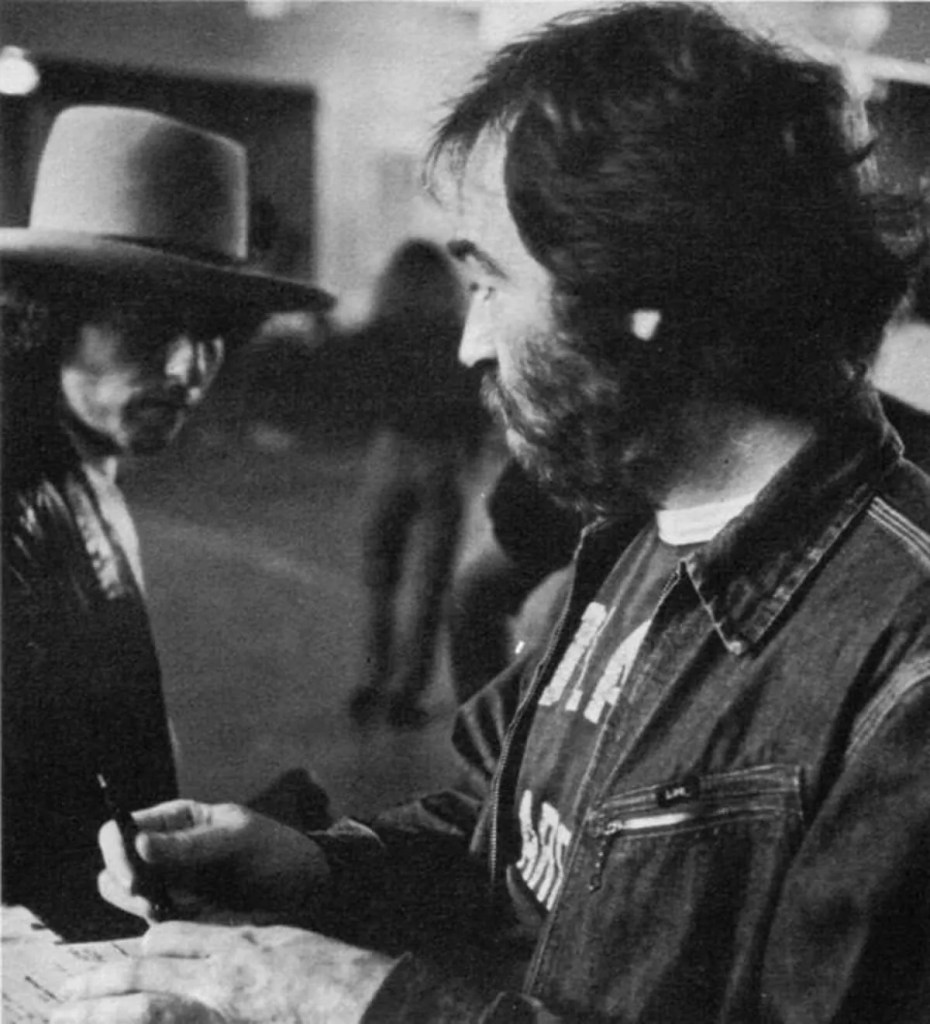
One More Cup of Coffee was cut during the fourth Desire recording session. As we’ll see shortly, the preceding three were chaotic and only yielded one track for the final album. But for now, let’s introduce the record’s key contributors.
The song starts with Dylan strumming an acoustic guitar before a short, melodic bass line enters. Bassist Rob Stoner recalls how this part was unplanned: none of the other musicians realised that Dylan had started playing, so Stoner improvised to fill time.
Drummer Howie Wyeth wasn’t used to the laissez-faire ways of Bob Dylan, especially when overseen by yet another hands-off producer, Don DeVito. When Wyeth asked if they’d do a count-in, Stoner noted Dylan’s death stare and hissed at the drummer: “Shut the fuck up…just play.”
Country singer Emmylou Harris was also used to more preparation. When Dylan suggested adding a female backing voice, De Vito drafted in Harris, a big Dylan fan since her early days as a Greenwich Village-based folk wannabe, who was also now recording for Columbia Records. Put in front of a microphone before she knew the songs, Harris remembers how Dylan would “kind of poke me when he wanted me to jump in”.
You can hear her unfamiliarity on One More Cup of Coffee’s first chorus, where she sings “before I go” instead of “for the road”. But what’s in a few words when her harmonies, created as the song was being recorded, are this majestic. Emmylou’s voice orbits Dylan’s in a way that her musical hero Joan Baez rarely achieved: their tones blending perfectly, while she brings fresh drama and beauty to the song.
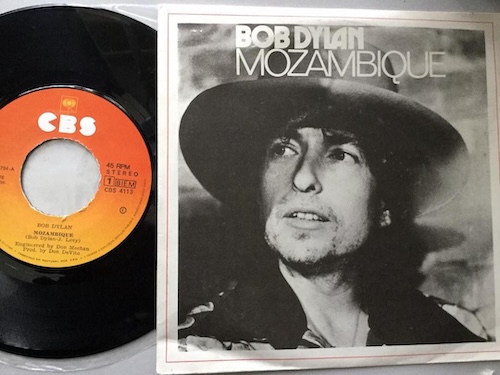
Harris first appears on the album’s third song, elevating the obliviously lightweight pop of Mozambique with her close harmonies. The song is another tourist-eye view of somewhere exotic, though it’s obvious that, in this case, Dylan hadn’t set foot in the East African country.
Around the time that he and Levy wrote the song, Mozambique had just won a decade-long war of independence from its colonial occupier, Portugal. The country’s new ruling Marxist military junta soon forced workers into agricultural cooperatives and cracked down on any opposition.
It does not sound like a place of “lovely people living free” but to be fair to Dylan and Levy, their interest in Mozambique was purely poetic. The pair challenged themselves to come up with good rhymes for the country’s name, hence the “couples dancing cheek to cheek”.
Even without Mozambique’s impending descent into a brutal civil war and related famines, Dylan’s song is a hackneyed sun, surf and sand postcard that never leaves the resort. But that just might be point, given its breezy tune and performance that made it an ideal single. Mozambique failed to crack the top 50 so perhaps listeners at the time weren’t so charmed by its platitudes. It was also unrepresentative of Dylan’s first significant writing partnership.
When Jacques Levy bumped into Bob Dylan on the street in Greenwich Village, he did not expect that his evening would conclude with co-writing a classic. Having started out drinking at The Other End, the pair retired to Levy’s home and together created the epic tale of Isis.
Levy and Dylan had first met a few years previously in Los Angeles after a Byrds show. Levy was primarily a theatre director and playwright and had tried to interest the band’s frontman, Roger McGuinn, in scoring a “hippie musical” version of Henrik Ibsen’s play Peer Gynt. While that adaptation didn’t happen, Levy did co-write four songs with McGuinn that appeared on The Byrds’ 1970 untitled album.
One of those songs, Chestnut Mare, had impressed Dylan, who liked its simple storytelling and clear narrative structure. After getting reacquainted over a few beers, Dylan showed Levy an early draft of Isis. In the song, the narrator is married “on the fifth day of May” but then leaves his titular new wife for a doomed treasure hunt in some snow-bound wilds with “pyramids, all covered in ice”.
Levy has said that Dylan wasn’t “that good at telling stories” and that he helped bring a more “A to B to C to D” framework to the songs on Desire. It’s a bold claim, even if Dylan had recently made a virtue out of deliberately disjointed storytelling on Tangled Up in Blue.
One trait of Levy’s that Dylan definitely enjoyed was his sense of humour, especially his idiosyncratic rhymes. Isis contains a doozy when, following the death of the narrator’s quest companion, “…the snow was outrageous” is paired with “I was hoping that it wasn’t contagious”.
When the expedition proves fruitless, the hero returns to Isis “to tell her I love her” though such dramatic declarations do not greet their reunion. A verse of hesitant dialogue like “nowhere special” and “I guess” suggests Levy brought Ibsen’s theatrical realism to the song.
Dylan had written Isis on piano and the song opens with its few simple chords largely repeated in an absorbing loop. Wyeth’s trudging drums give the sense of an arduous journey, both physical and emotional, while violinist Scarlet Rivera adds frontier textures throughout.
With a narrative about someone leaving then returning to his wife, it’s tempting to see Dylan’s real-life unravelling marriage in Isis. He claimed that the lyrics had more significance for Levy, though it’s hard to believe that when you hear him sing it live.
I first heard Isis in a live incarnation that was included on the Biograph compilation. In this 1975 Rolling Thunder version, Dylan attacks every word, especially that triumphant “yes” at the end of the penultimate verse. It’s a ferocious performance that makes the studio cut sound tame by comparison.
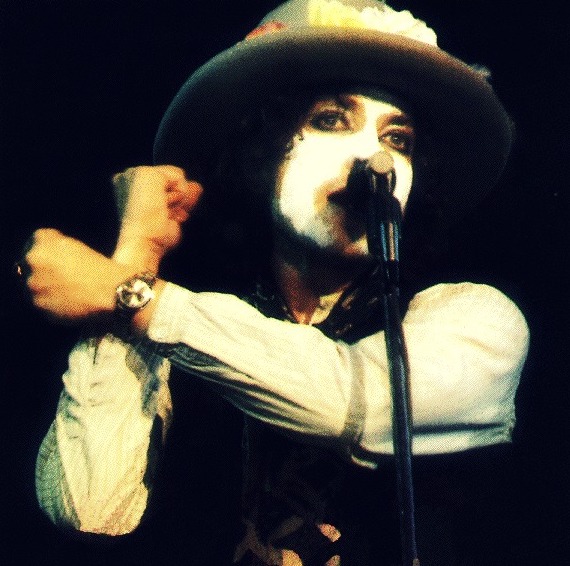
Levy thought of Isis as a cowboy story, though one that didn’t conform to many of the genre’s conventions. The pair also collaborated on a song with a much more obvious Western feel, Romance in Durango, which even references Dylan’s own cowboy movie. Pat Garrett and Billy the Kid was filmed on location in the Mexican state of Durango and Dylan lived there during the shoot.
While the song appears to bear his fingerprints, the lyrics were largely Levy’s – Dylan was so unfamiliar with them, he sang off-sheet when recording. This is somewhat appropriate because, despite Levy’s “A to B” narrative, there are moments where the song’s narrator seems like he’s dropped into scenes without having read the full script. Did he shoot Ramone in the cantina? he asks, then later: “Could it be that I am slain?”
Romance in Durango was recorded during one of the first sessions for Desire when Dylan had invited an array of musicians to the Columbia Records studio in New York. This included Eric Clapton and at least nine members of the British soul band, Kokomo.
With Dylan his usual reticent self in the studio, the situation demanded a strong producer. Don DeVito had helped get Dylan back on Columbia after his brief defection to Asylum and was rewarded with production duties for Desire, a role for which the executive was ill-suited.
Rob Stoner recalls dozens of people being spread over multiple studios, one of which was mostly taken over by a large buffet table. DeVito was unable to impose order, nor did he know how to record tracks in a way that would allow at least some of the material to be used later.
Romance in Durango is the only song on Desire that came from these early, chaotic, big band sessions. It was a rare moment when the mass of musicians formed a coherent sound incorporating a trumpet, accordion and mandolin that suits the song’s dusty melodrama.
Unhappy with how the sessions were progressing, Dylan had DeVito call Stoner for advice. He had met the bass player via his old friend Bob Neuwirth, while getting back into Greenwich Village’s music scene and plotting a new kind of live show: the impending Rolling Thunder tour.
Stoner recommended ditching all the musicians and restarting things with a pared-down band that featured just Dylan, him and his drummer buddy, Wyeth. Eric Clapton had earlier come to a similar conclusion and left the studio, reportedly telling people that “Zimmy’s gone crazy”.
If Dylan’s compulsive accumulation of musicians was failing to serve his songs, one instinctive decision would come to define the sound of Desire. As Stoner also suggested, perhaps they should keep that violinist, as she brought something new.
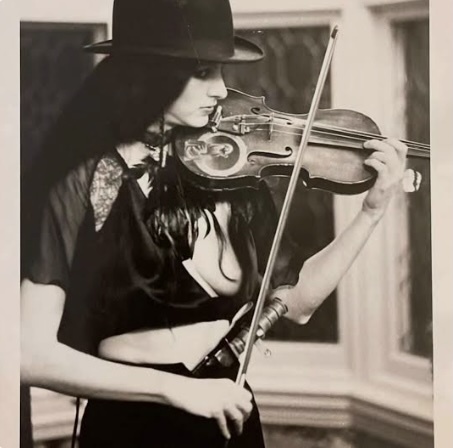
Bob Dylan first saw Scarlet Rivera walking the streets of Greenwich Village carrying a violin case. He pulled his car up beside her and asked if she could really play the instrument, though it was likely not just her musical abilities that intrigued him.
With long, thick, red hair and an exotic sense of style, Rivera must have reminded him of the Romany women he would have met during the Feast of Saint Sarah. As Dylan’s luck would have it, she was an exceptional violin player who would prove pivotal to Desire’s final form.
Though classically trained, Rivera was determined to “turn violin into a contemporary instrument”. No one had yet appreciated her ambition, “until Bob Dylan”, who invited her to his studio and had her play along on some of the new songs that he and Jacques Levy had written.
She understood that she had passed Dylan’s test when he gave her a “tiny smile” then brought her to see Muddy Waters perform at The Bottom Line in the Village. When the Chicago bluesman brought his famous audience member on stage to sing with him, Dylan, in turn, introduced “my new violinist”.
Playing with Waters and Dylan was “another test” that Rivera passed, though she was soon overwhelmed by her first-ever studio experience. To be fair, the overcrowded first Desire sessions didn’t work for anyone, but Rivera soon found her place in Rob Stoner’s slimmed-down set-up.
The first sign of success for the more intimate July 30th session was Oh, Sister, a strange, subdued song dominated by Rivera’s keening strings. The violin even continues during the harmonica solos, though Rivera had initially stopped playing only for Dylan to nudge her back into action.
Another entwining combination on Oh, Sister comes via Emmylou Harris, who sings almost every word in harmony with Dylan. With little to no rehearsal, she kept her eyes locked on him throughout the recording, following his unpredictable phrasing as best as she could.
Fortunately, Harris was accustomed to singing like this from working with Gram Parsons in the early 70s. While the pair had recorded his first solo album together, it was only while touring that Harris truly learned to improvise harmonies, singing eyeball-to-eyeball with Parsons.
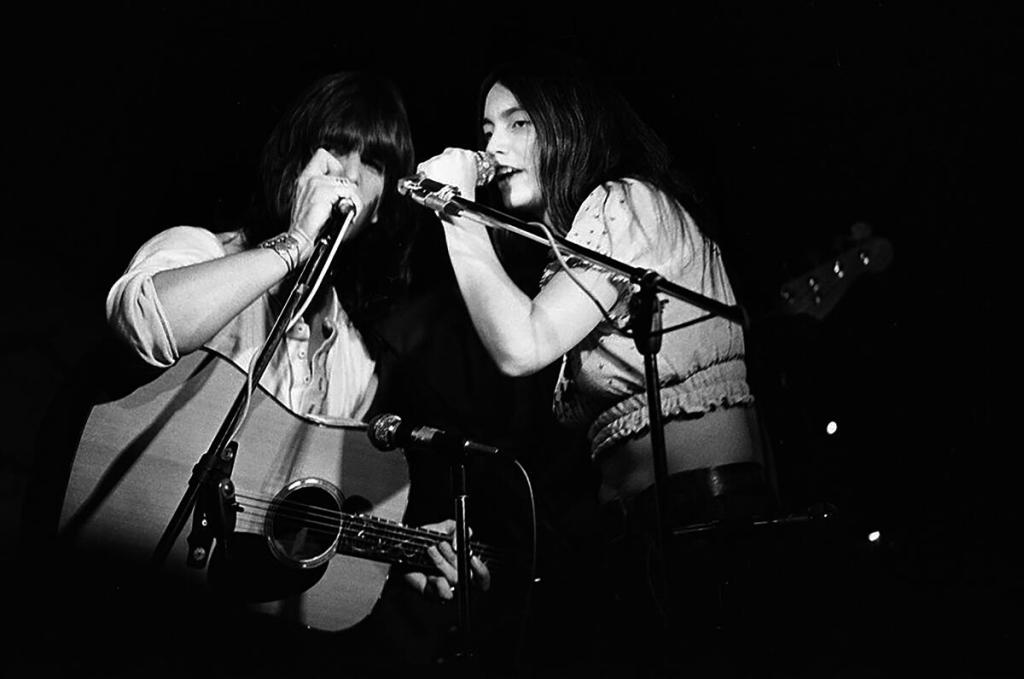
She applied this training in the studio with Dylan to extraordinary effect, especially on the high-wire act of the Desire’s penultimate track, Black Diamond Bay. The song likely scanned differently on the page than in performances due to its many internal rhymes, of which Jacques Levy was very proud. Desire’s co-writer claimed that Dylan was delighted by his unusual pairings, like in the opening lines:
“Up on the white veranda / She wears a necktie and a / Panama hat”.
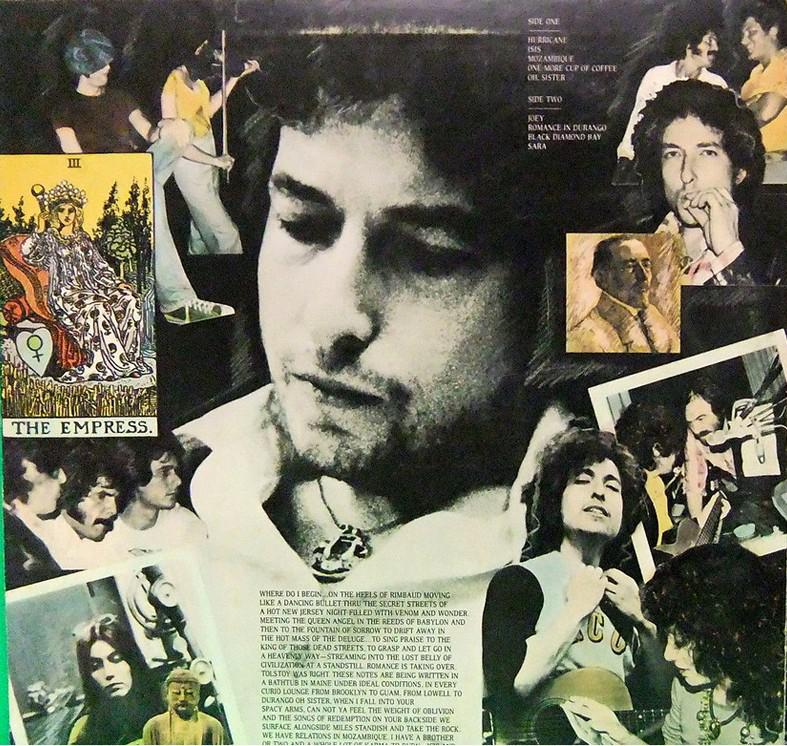
This set the scene for another story in an exotic location that immediately puts me in a Graham Greene novel. Levy and Dylan were specifically inspired by Joseph Conrad – who is pictured on the album’s back cover – and his novel, Victory: An Island Tale. The book’s opening talks about coal as “black diamonds”, while an “indolent volcano” is introduced a few paragraphs later, followed shortly by the titular water feature.
In Black Diamond Bay’s fifth verse, a volcanic eruption eventually destroys the lives of the song’s protagonists. They include a suicidal Greek, a love-sick soldier and that woman from the opening line, whose hat is one of the few things remaining after the disaster.
Confusingly, the song later refers to an earthquake as the source of destruction, though this may be an intentional slip. In the final verse, the omniscient narrator is revealed to be someone thousands of miles away, “watching old Cronkite on the seven o’clock news”.
The agonies of Black Diamond Bay are just “another hard-luck story” the viewer can switch off without even registering the right natural disaster. This Brechtian twist reflects Levy’s theatrical background as well as Dylan’s long-standing interest in implicating the listener in his tales of tragedy.
This seven-minute ode is propelled by a strutting Stoner bass line and Wyeth’s stuttering drum patterns. Meanwhile, Rivera’s violin threads its way delicately through the song, permeating every scene with a soundtrack of subtle sorrow.
She described the coalescing of this small band from its overloaded and futile first incarnation as “magic…a crossing of stars”. For her, Dylan’s instinctive approach to creativity and collaboration was like “the unfolding of a grand mythological adventure”.
A song like Oh Sister brings some of this biblical edge with its powerful, off-screen father figure and faint whiff of incest. It may also connect back to Isis, whose Egyptian deity namesake married her brother, Osiris, and “mysteriously saved” him from death by restoring his dismembered body.
Desire connects another pair of songs when Romance in Durango’s trailing accordion melds into the opening harmonica of Black Diamond Bay. Does Magdalena relive her tragedy as a “face from another time and place” with “the diamonds in your wedding gown” now Conrad’s portable coal?
Every character on the record has desires that are thwarted by cruel fate or perhaps the capriciousness of the gods. But these myths are not just stories from the past: modern age powers-that-be cannot be trusted either; the hero must always endure tricks and trials. And Dylan must take on yet another natural disaster: the injustice of innocence imprisoned by a perversely racist society. Here comes the story of the Hurricane…
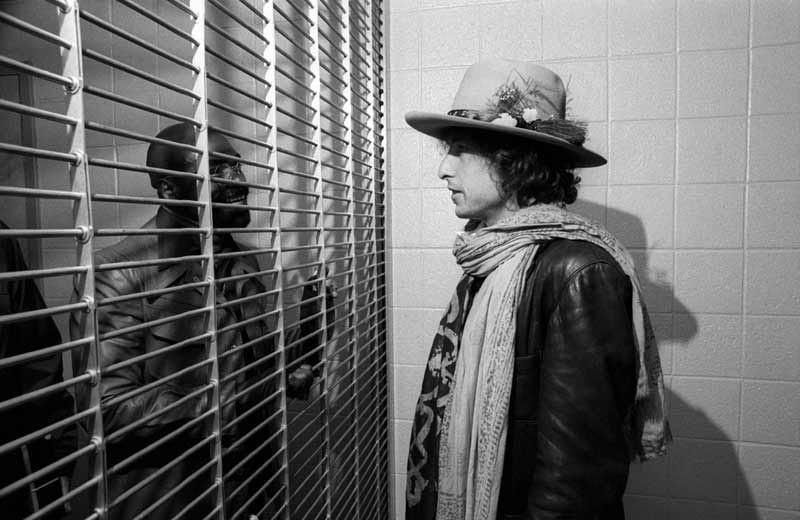
In 1975, Bob Dylan received a book called The Sixteenth Round, written by the boxer, Rubin ‘Hurricane’ Carter, from his New Jersey prison cell. Dylan read Carter’s story of being framed for triple murder during his France trip and returned home resolved to do something about it.
Carter and his friend John Artis – both black men – were accused of shooting three people dead in a bar in Paterson, New Jersey, in 1966. However, their conviction was largely based on the testimony of two white men, who had been carrying out a robbery at the time.
Though Carter and Artis were questioned on that “hot New Jersey night”, neither was positively identified by other witnesses. Months later, the two thieves – Arthur Bradley and Alfred Bello – were persuaded to finger Carter and Artis, while allegedly receiving clemency for their own crimes.
Though fired up by Carter’s version of events that features racially-motivated injustice and an athlete cut down in his prime, Dylan was struggling to find his way into the story. But his Desire co-writer Jacques Levy provided a theatrical solution.
After a dramatic solo acoustic guitar intro, Hurricane roars into life with its spectacular in media res opening lines: “Pistol shots ring out in the barroom night / Enter Patty Valentine from the upper hall.” This stage-direction concept powers the song’s action-packed structure.
Events unfold quickly as Ms Valentine discovers the dead bodies, a thief robs the register and the police show up. In between, we get Hurricane’s barnstorming chorus that summarises the injustice done to the man who “the authorities came to blame”.
It’s high-octane stuff and the song barrels along as Dylan details the racist conspiracy and sham trial that leads to the hero’s imprisonment. Whether it’s all strictly true is debatable, but then, as he once archly suggested to Phil Ochs, Dylan was a songwriter, not a journalist.
As he had done on previous protest songs like The Lonesome Death of Hattie Carroll and George Jackson, Dylan presents a simpler version of events with some dramatic embellishments. With 12 defeats in 27 fights, the Hurricane was hardly the “number one contender for the middleweight crown”.
Carter dreaming of the quiet life and “sitting like Buddha in his cell” suggests a placid, genial character at odds with the real-life man who had previous convictions for burglary and assault. Like on his 1971 single, George Jackson, Dylan wanted to portray a flawless hero, understanding that protest songs – even eight and a half-minute long ones – shouldn’t prioritise accuracy over potency. Yet, even so, he could have made his point that everyone deserves a fair trial without trying to over-sanctify Carter.
Though the Hurricane loved his meditative depiction (supported by a Buddha statue photo on Desire’s back cover), he was aware of his own shortcomings. When his conviction was overturned in 1985, Carter reflected on how the experience forced him to “regain my humanity”.
Dylan’s song and subsequent campaigning concerts formed part of a wider campaign to free Carter, run by Esquire magazine’s art director, George Lois. The power of Hurricane helped keep the boxer’s plight in the public eye, along with Dylan’s benefit concert at Madison Square Garden.
Levy’s influence on the structure of Hurricane contrasted with what he saw (and teased Dylan about) as a lack of sophistication in the earlier George Jackson. Yet when it came to the playwright’s own cause celebre, Levy was not exactly rigorous in his execution.
Joey Gallo was a New York mobster who had been gunned down by rivals in the early 70s. Levy knew people who had been Gallo’s friends and introduced them to Dylan, who also became fascinated by their stories of Crazy Joe.
The result was an 11-minute epic that recasts a man primarily known for instigating mob wars as a misunderstood man of the people. Dylan, of course, has previous for this, notably on the title track of John Wesley Harding, which similarly whitewashes the sins of its titular hero.
But where Harding was from the previous century, for some critics it was far too soon for Gallo to be respun as a peace-making “child of play”. Lester Bangs called the song, “One of the most mindlessly amoral pieces of repellently romanticist bullshit ever recorded.”
Dylan was hardly the first person to romanticise a mobster, so perhaps the song’s real issue is its confused and clumsy characterisation. For example, the chorus’ question, “what made them want to come and blow you away?”, is continually undermined by events related in the verses.
For all its flaws, including a ponderous tune, Joey does feature some monumental drums from Howie Wyeth and an overdubbed accordion played by Dominic Cortese. But the song is truly elevated by Emmylou Harris’ gorgeous harmonies, at first on the chorus then on the elegiac closing verses.
The country singer had also sung on an early version of Hurricane, but legal issues forced Dylan to re-record the song with slightly altered lyrics months later. Harris was unavailable by then, so her role on an amped-up recut was taken by Ronee Blakley, star of the recent Robert Altman country music film, Nashville.
Both Hurricane and Joey attempt untarnished portrayals of their title characters, as if they could be immaculately reconceived as innocents. Dylan tries the same trick but with much more at stake for him personally on the album’s intimate closing song.
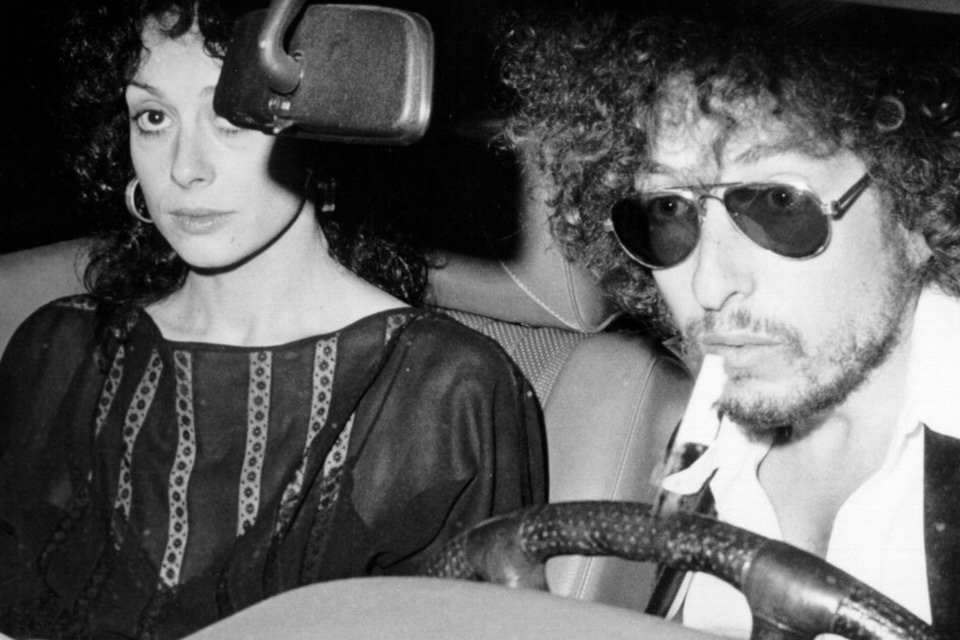
During the final day of recording for Desire, Dylan announced that he was going to play a song he hadn’t tried during the previous four sessions. Perhaps he had been waiting for the song’s subject to turn up at the studio, as he sang Sara directly to his wife.
Having started with dozens of musicians and their hangers-on, the band was now down to Stoner’s ideal of him on bass, Dylan, drummer Howie Wyeth and Scarlet Rivera on violin. Even Emmylou Harris had left the group as Desire reached its most intimate phase.
Fittingly, Sara is also one of the two Desire songs not co-written with Jacques Levy. With his wife sitting in the control room, Dylan looked at her through the glass and announced, “This one is for you”, before revealing his most nakedly autobiographical song since 1964’s Ballad in Plain D.
Or is it? Like on Hurricane and Joey, there’s a sense of Dylan sanctifying the song’s titular heroine. Certainly, Sara Dylan was likely more deserving of such treatment, though there’s something callow about his depiction of her as a “glamorous nymph with an arrow and bow”.
Shook by the unstable state of his marriage, Dylan redecorates the past with soft-focused scenes of familial harmony where children play leapfrog and collect seashells on a beach. He recalls the couple “drinking white rum in a Portugal bar” and pictures Sara in Jamaica.
Is it significant that these memories all feel like holiday snapshots rather than day-to-day domesticities that define the reality of a relationship? After all, this is a man who would write that his life in Woodstock makes him feel, “Anything but content. Surrounded on all sides.”
The repeated “Sara, oh Sara” plea of the chorus reaches a climax with the song’s final line, “Don’t ever leave me, don’t ever go”. Earlier, there’s a sense of why he desperately needs her when he references having “taken the cure” at the beginning of their time together.
While it’s widely regarded that Sara brought stability to Dylan’s freewheelin’ life during the mid-60s, it’s less clear what he gave her other than “writing ‘Sad-Eyed Lady of the Lowlands’ for you”. “So easy to look at, so hard to define” is a poor return from a decade of intimacy.
Sara opens with a pleading harmonica before settling into a shuffling waltz-time that recalls another song dwelling on romantic detachment, To Ramona. Stoner’s spare bass brings a stateliness while Rivera’s soft-then-searing violin is an ambivalent counterpoint to Dylan’s direct address.
If there’s a problem with Sara, it’s perhaps that it’s too personally purposeful, like a moment that we, the listeners, ought not to intrude upon. You begin to question who those raw avowals are really aimed at: his wife or his audience?
But then again, it is also in step with the album’s theme. As the record’s title suggests, this is a collection of Dylan’s I Want songs, whether that’s justice for Rubin, redemption for Joey or forgiveness from Sara. Those three tunes are then surrounded by cinematic yarns, more fictions in search of some emotional truth.
An early Dylan song that could be about Sara was I Want You, a remarkably plain-spoken plea written during the height of his surrealist, stream-of-consciousness phase. Perhaps then it’s fitting that this part of his life should conclude with a final outpouring of desire for her. It’s also apt that a record whose songs and style were rooted in Dylan’s week celebrating the feast of Saint Sarah should be completed with the sanctification of her namesake.
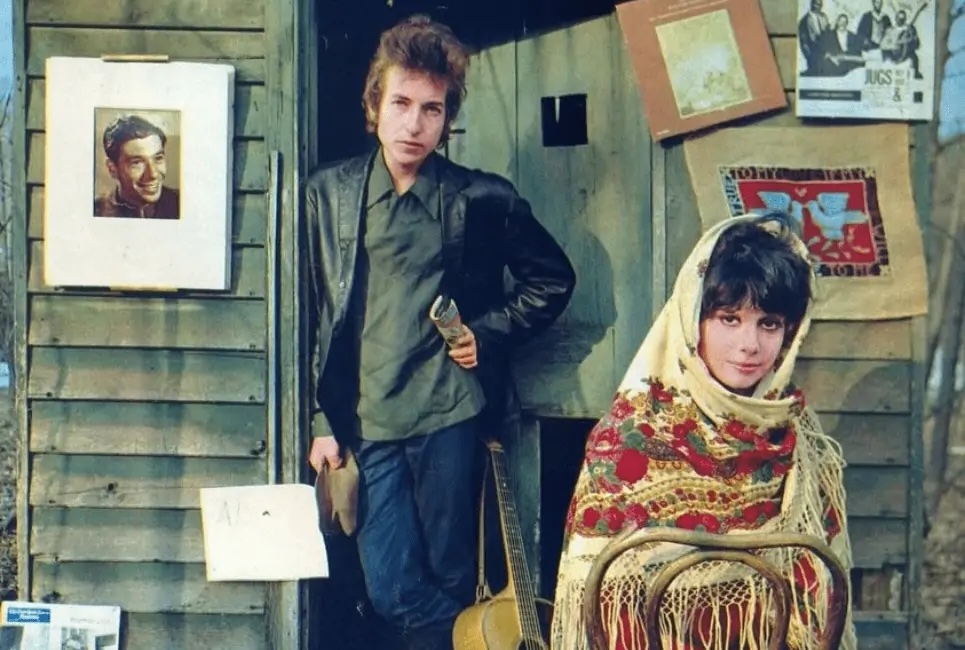
Dylan has always described Sara Lownds in “mystical” terms: as “graveyard woman” with “gypsy hymns” who “speaks like silence”. For all the unignorable beseeching and unveiled praise of the song Sara, it is Desire’s all-consuming gypsy aesthetic that may be Dylan’s real tribute to his wife.
No other record in his catalogue sounds like Desire thanks to the unique contributions of Levy, Rivera, Harris, Stoner and Wyeth. Fans responded to the novelty and Desire went to no. 1 in the US and no. 3 in the UK, becoming one of Dylan’s most popular albums. Critical response was more mixed, though much of the negativity centred on Joey’s problematic portrayal.
Some of the public enthusiasm may have been the result of the Rolling Thunder tour, which saw Dylan and a minstrel crew take over small venues across New England. Though recorded in mid-1975, Desire wasn’t released until January 1976, after the tour’s lauded first leg.
What this extraordinary activity demonstrates is that the relentlessly creative Dylan was back and no longer going through the motions of the songwriter-at-work like in the soporific Woodstock years. He was following his instincts, trusting the right people and moving fast.
So fast that Desire is a far from perfect record that can divide hardcore Dylan fans. Certainly, the decision to leave a song as great as Abandoned Love on the cutting room floor will be debated forever (but that’s a story for another time).
Ultimately, Desire is a cohesive, eminently listenable record with a distinct style, exemplified by Rivera’s violin. She later expressed astonishment at how her parts were pushed up in the mix, giving her a prominence rare for an accompanying musician on a Dylan record.
But even more than the sound, Desire draws you in with its stories, its outrageous quests, convoluted relationships, widescreen melodramas and impassioned protests. The fuel for all of these – yes, even Mozambique’s breezy travelogue (it’s another holiday destination) – is Dylan’s Desire for Sara, who he left behind for the France trip that provided this record’s genesis, to be “still within reach”.
SPOILER ALERT: She wasn’t and the drama will play out on the road and on screen over the following year.
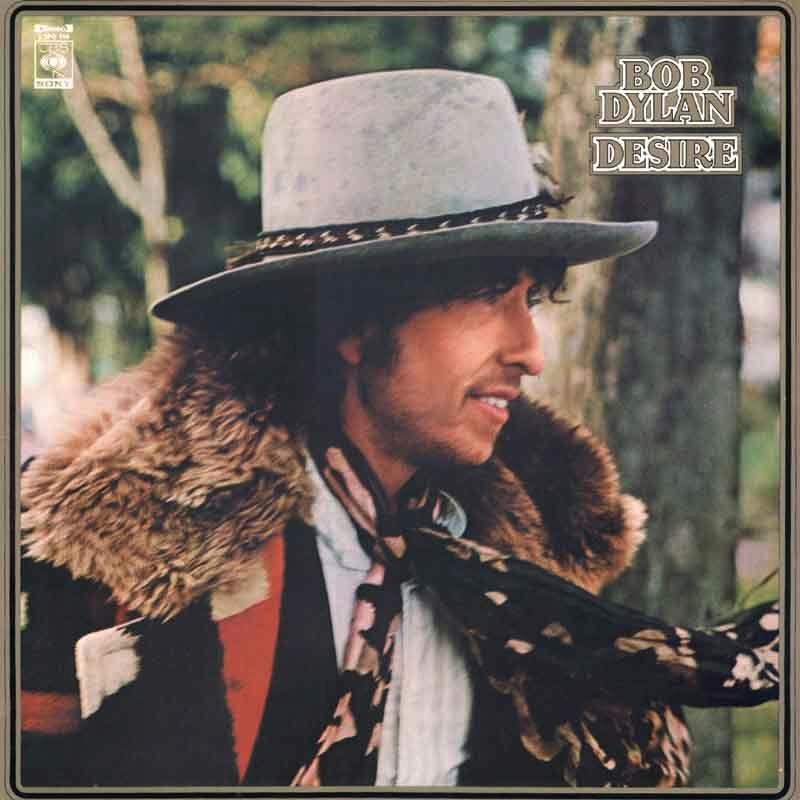
What do you think of Desire? Let me know in the comments.


 Home
Home 
Leave a comment